


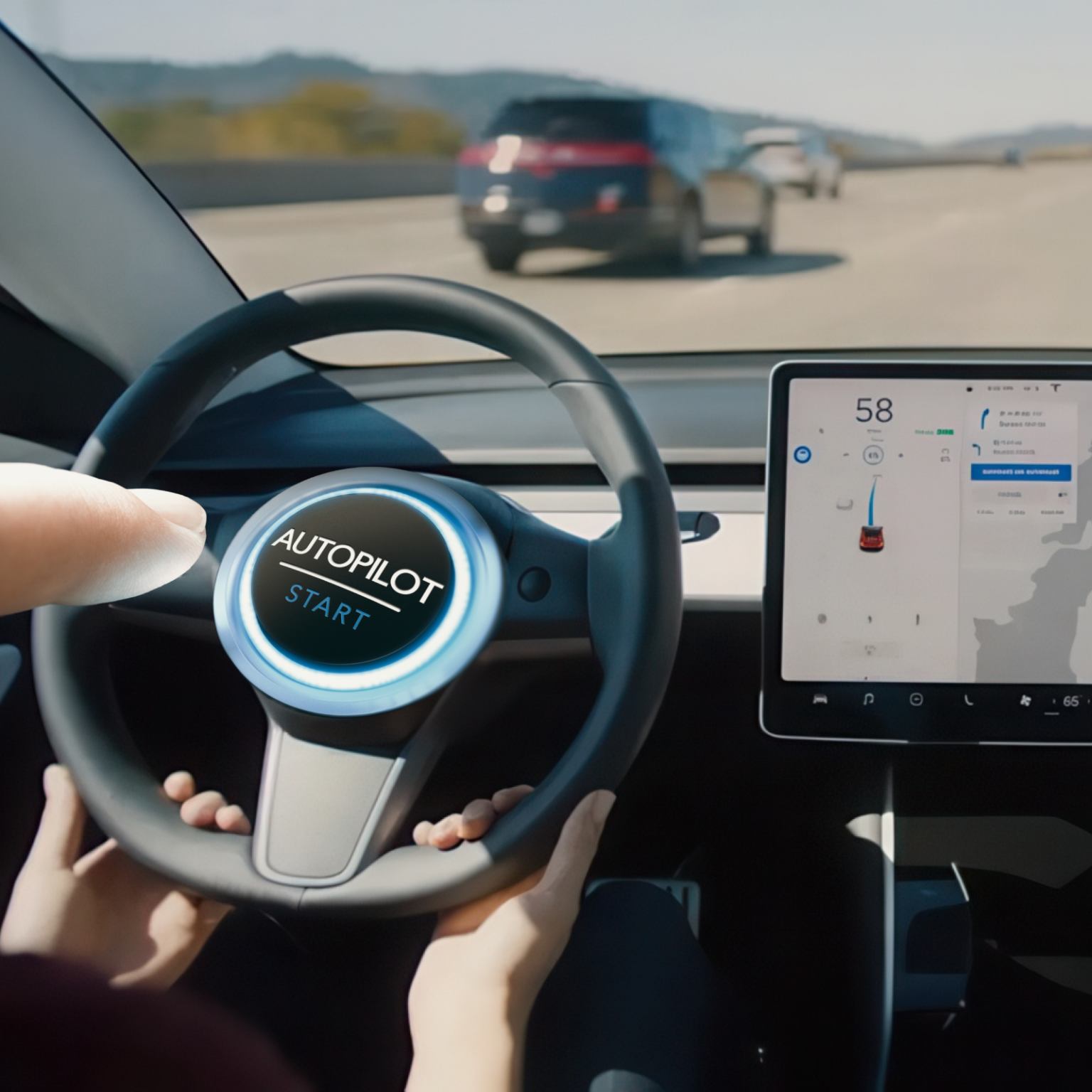
The landscape of transportation is changing fast — and so is legislation. As autonomous vehicles hit the roads in increasing numbers, U.S. policymakers are racing to keep up. In 2025, self driving laws 2025 are no longer theoretical: they’re real, implemented, and reshaping how we commute, deliver, and interact with the roads.
Whether you’re a tech enthusiast, a cautious commuter, or just someone watching the trends, understanding the new autonomous vehicle regulation updates is essential. Here’s what you need to know.
What Changed in 2025?
The federal government and individual states have rolled out new rules aimed at defining how self-driving vehicles operate, who is liable in case of accidents, and how these vehicles communicate with infrastructure. Among the most discussed updates in the US autonomous driving policy:
- Autonomous vehicles must now carry embedded communication systems to transmit live positioning data
- Human override capability is required in levels 3 and 4 autonomy
- Insurance and liability laws have been restructured to assign responsibility depending on system failure vs. driver misuse
- Standardized sensor calibration regulations were introduced across manufacturers
These laws mark the first time we’ve seen unified nationwide efforts to control the future of self-driving technology, instead of leaving every state to decide on its own.
Federal vs. State Regulation
While the federal government outlines safety and manufacturing guidelines, the enforcement and operational rules are still largely state-dependent. In states like California and Arizona, autonomous delivery bots and robo-taxis are already a common sight. Others are still in pilot phases.
That’s why it’s important to understand both the self driving laws 2025 at the national level and how your specific state interprets them. For example, Texas has become one of the first states to allow autonomous trucks on highways without requiring onboard safety drivers. Meanwhile, New York has taken a stricter stance, mandating biometric feedback systems to ensure human presence and attention when needed. Florida, on the other hand, encourages adoption by offering tax incentives for fleet operators who switch to self-driving technology.
As adoption increases, expect more states to align with the broader autonomous vehicle regulation model, especially where federal funding is tied to compliance.
What It Means for Everyday Drivers
Even if you don’t own a self-driving car, these policies affect you. Here’s how:
- Road infrastructure is shifting to support sensors and V2X (vehicle-to-everything) communication
- Parking zones and lanes are being redesigned to accommodate driverless pickups
- Emergency services are training for interactions with vehicles that may not have a human onboard
This hybrid environment — with both manual and autonomous drivers — creates a more complex, and sometimes unpredictable, commute. And that’s where extra protection makes a difference.
Protecting Your Privacy in a Smart City Era
As smart infrastructure and AI monitoring increase, privacy concerns follow. Plate-scanning technologies are expanding their reach, and not just for autonomous vehicles. Even traditional drivers are affected by real-time monitoring and automated ticketing.
That’s where a blackout plate cover offers a practical advantage.
Designed to shield your plate from prying eyes and unnecessary scanning, the black out license plate cover is a subtle upgrade that offers visual protection in data-heavy environments. While smart cameras track and store data faster than ever, drivers deserve simple tools to reduce exposure.
Why Blackout Covers Are More Relevant Than Ever
The 2025 self-driving ecosystem relies on hyper-accurate camera systems, not just on the cars, but on the roads, intersections, tolls, and even traffic lights. A blackout plate cover – North America car is one of the few physical tools left to limit how your vehicle is digitally profiled.
Top reasons city drivers are opting for blackout-style accessories:
- Shielding plate numbers from long-range cameras
- Aesthetic match for matte or dark vehicle wraps
- No-drill installation in minutes
- Compatibility with curved and standard plate formats
- Enhanced privacy in camera-dense zones
These are small but impactful tools that serve both modern appearance and personal control.
Daily Use in a High-Tech World
Your vehicle doesn’t need to be autonomous to face the same level of scrutiny. Regular cars are now subject to the same surveillance tools, especially in dense urban zones or smart highways. The more connected the roads become, the more we depend on low-tech solutions to manage high-tech visibility.
Learn more about how blackout plate covers work and how to upgrade yours today at: https://alite.cc/collections/blackout-license-plate-hiders-for-us
Or explore the Alite Blackout system — a remote-controlled option tailored for North American plates that hides your plate with a single tap.
Regulation Meets Reality
The self driving laws 2025 mark a turning point for how we move through our cities. Autonomous vehicles are no longer the future — they’re the now. And while technology races forward, drivers still need basic tools to maintain control over their privacy and presence.
Understanding the new US autonomous driving policy is step one. Step two? Making sure your own vehicle is equipped for modern roads — not just with smart software, but with thoughtful protection.



