


Find out how to sterilise jars and bottles including our top tips on how to make sure your preserves don’t spoil.
Sterilising jars and bottles are essential when it comes to preserving jam, chutney, or sauces for an extended amount of time. There are a few ways you can sterilise jars; boiling, warming in the oven, washing in the dishwasher, or microwaving.
Every jar or bottle you are using to store food needs to be sterilised, even if it’s brand new. Anything that has a tight lid preserves the food inside, protecting it from bacteria outside the jar, but if it has not been properly sterilised, you could be trapping harmful bacteria within.
Not only does sterilising a jar stop the growth of bacteria spoiling your food, but it also extends the food shelf life. In a correctly sterilised jar preserves, jams and sauces should last up to 6 months in a cool, dry place, but do check the individual recipes for accurate shelf life information.
Bacteria will rapidly reduce the shelf life of your food and could be dangerous to those eating it. Therefore it is a very important step that you shouldn’t skip – but thankfully it’s not that hard at all.
* * * * * * *

How to sterilise jars and bottles
Sterilising just means a really good clean so you need to wash the inside of the jar then steam or heat it to ensure that the jars remain clean while drying. There are a few ways you can do this…
How to sterilise jars and bottles in the oven
Sterilising jars in the oven is the most traditional, efficient way.
- Wash the jars thoroughly using warm water and washing up liquid and rinse clean. Do not dry with a towel etc.
- Place a sheet of baking paper on one of the shelves of your oven (not at the bottom of the oven) and place the jars on the shelf – making sure they’re not touching each other.
- Heat your oven to 140°C/210°F/Gas Mark 1 and dry out the jars for around 15-20 mins.
How to sterilise jars and bottles by boiling
You can boil your jars and bottles on the hob or stove but you may need multiple pans to do this especially if you want to sterilise a bulk of jars in one go or opt for the biggest saucepan you’ve got.
- Wash your jars and the lids with hot soapy water and rinse. Do not dry them but put them to one side.
- Place into the pan and fill with water just below the rim. Tepid water is best.
- Bring to the boil and put on the pot lid and boil for at least 10 minutes. The pot will get very hot so you might want to opt to do this at the back of your hob.
- After 10 minutes turn the heat off and leave the bottles and jars until you’re ready to use them. It best to use them as soon as you can after sterilising.
How to sterilise jars and bottles in the dishwasher
This is a great option if you own a dishwasher but do bear in mind that this will use more water than the other methods so only use this if sterilising jars in bulk.
- Fill your dishwasher with your clean jars (if using old jars, you will need to rinse them out first.)
- Set your dishwasher to the highest setting or steam setting if it has one and put them through a cycle.
- Leave to cool slightly in the dishwasher and remove each one as you need it.
[apester id=”602cfabf06fa0e440799d1d8″]
How to sterilise jars and bottles in the microwave
If you’re short on time you can opt to sterilise your jars or glass bottles in the microwave.
- Wash the jars in water and leave wet.
- Place the jars and bottles in the microwave and heat on full power for 60 seconds.
Do not sterilise the jar lids this way. Especially metal lids as metal cannot be heated in the microwave as it will spark and catch alight. Follow the methods below to sterilise your jar and bottle lids separately.

How to sterilise jars lids
It’s a good idea to sterilise the jar lids as when packaged to sell this can often be the part of the jar that is exposed and is more likely to collect harmful bacteria.
Lids can be left in boiling hot water to sterilise. This can be done by following the boiling method above on the hob or simple by filling a container with the jar lids with boiled water from the kettle.
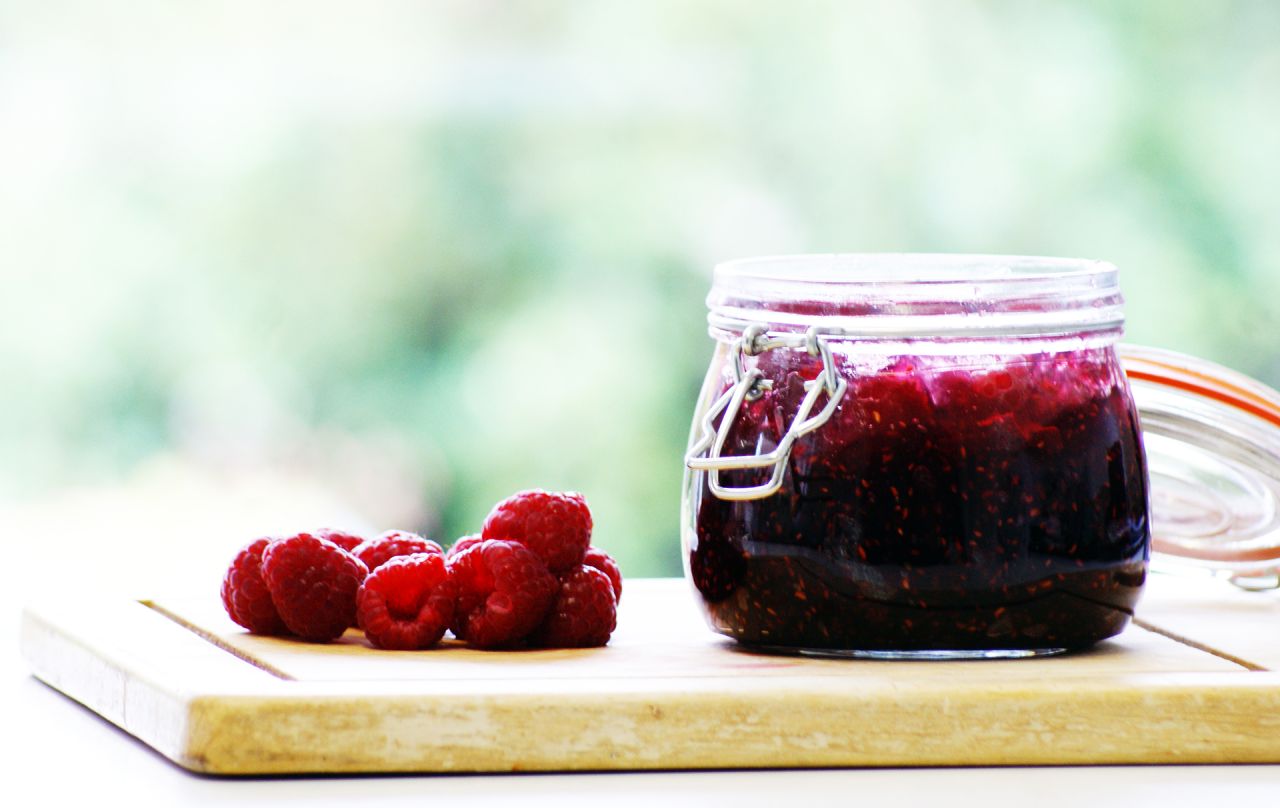
If you are using Kilner jars you may want to remove the orange rubber seal and soak that in boiling water too.
Top tips for sterilising jars and bottles
Make sure you check your jars and bottles over thoroughly before sterilising. You want to keep an eye out for cracks, chips, or damages to the lid. If your jar or lid is damaged do not use it.
It’s best to sterilise containers around 20 minutes or so before you need them. You’re best to use them immediately after being sterilised and adding your chutney, homemade sauce, or jam into the jar or bottle as quickly as you can to make sure harmful bacteria stays at bay.
Always sterilise more jars or bottles than you think you’ll need. It’s better to have more just in case you’ve got more mixture than intended.
One of the most important things to remember is to make sure the jar or bottle and the food you are putting in it are the same temperatures to avoid any breakages. Hot food in hot jars and cold food in cold jars.



